Main Content
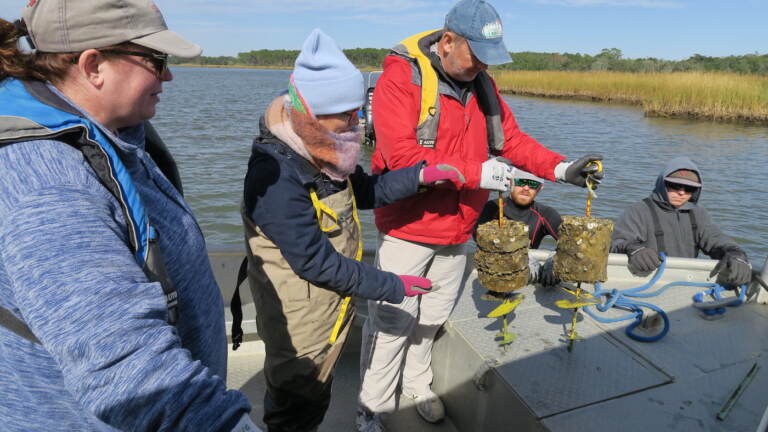
Rutgers University is leading an 18-month DARPA project during its first phase, with options that could extend out to a total of five years.
Rutgers University is leading an 18-month DARPA project during its first phase, with options that could extend out to a total of five years.
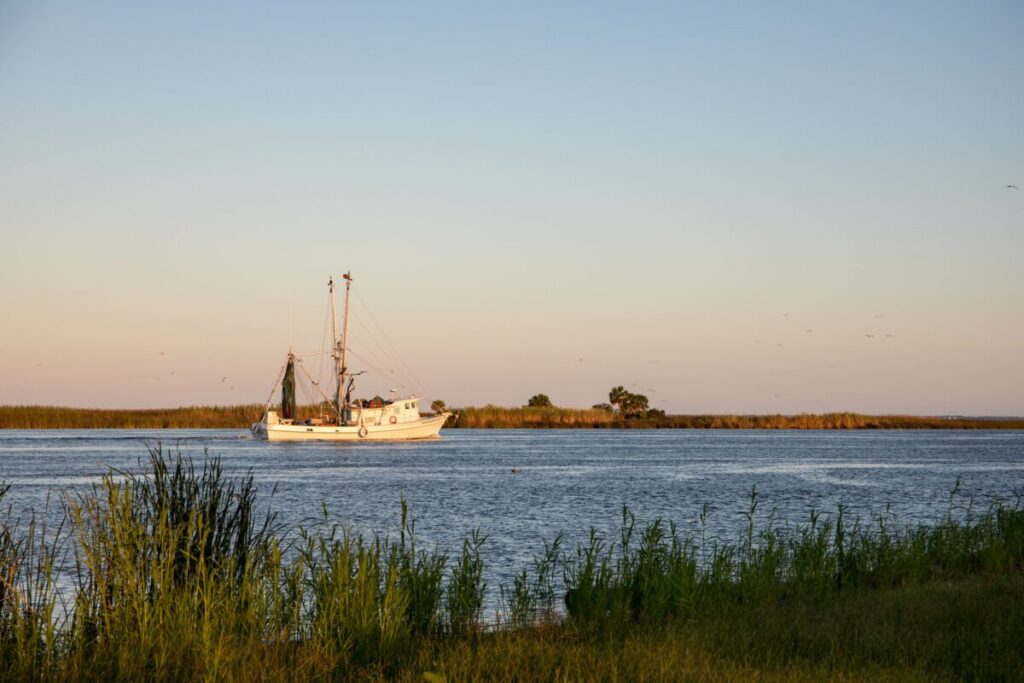
The Rutgers-led Defense Advanced Research Projects Agency (DARPA) project—awarded $12.6 million last fall to develop an artificial reef ecosystem to help project coastlines from storm damage, flooding and erosion—recently conducted laboratory testing of modular oyster reef-mimicking structures for eventual installation in the Gulf Coast.
This September, Gov. Phil Murphy signed an order to increase New Jersey’s offshore wind goal to nearly 50 percent by 2040.
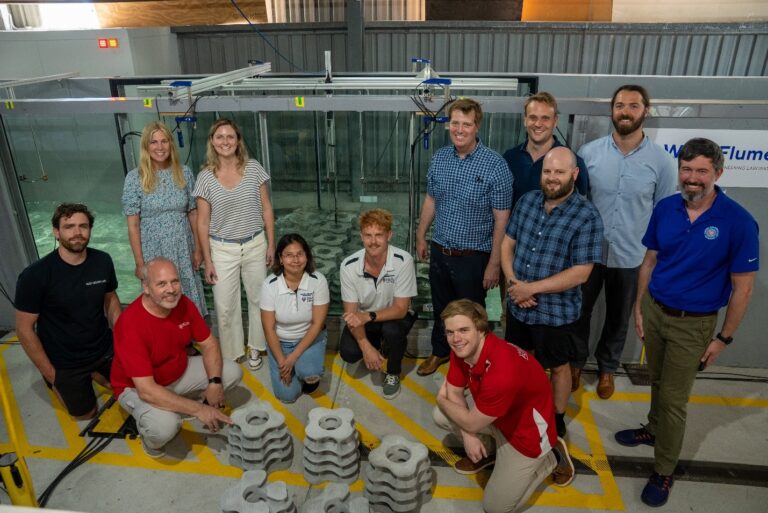
A group of 12 Rutgers students, including Sophia Piper (HSRL), is hard at work to help the state meet that deadline.
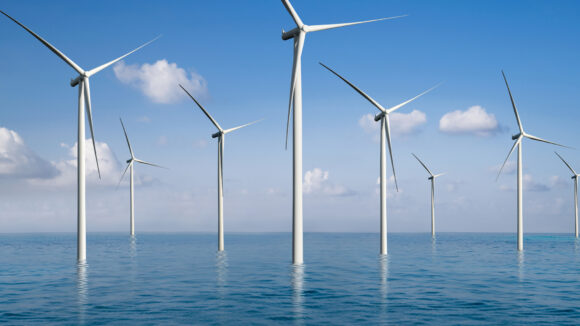
A final peer-reviewed report synthesizing the current state of science on the interactions between fisheries and offshore wind is now available online.
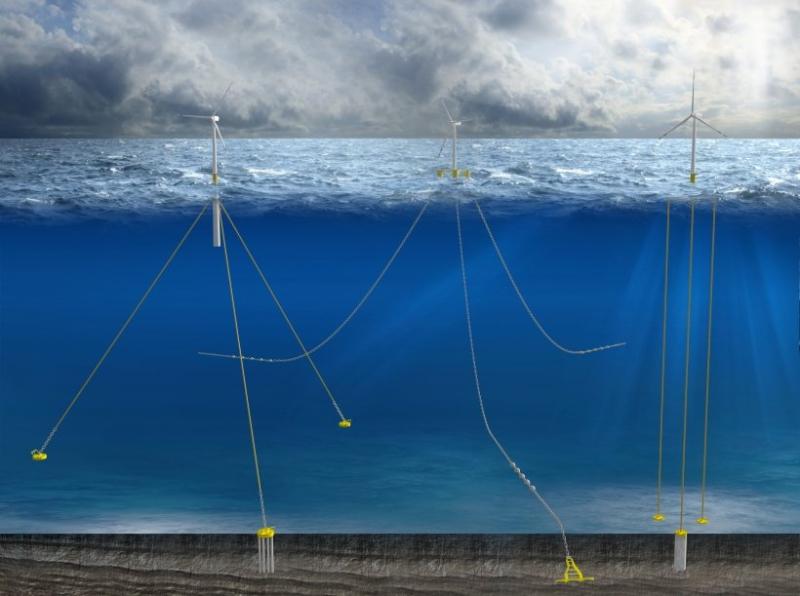
The inaugural Rutgers Shellfish Research Symposium, in partnership with the New Jersey Aquaculture Association and the Haskin Shellfish Research Laboratory, was held on January 18 at the NJAES Jacques Cousteau National Estuarine Research Reserve.
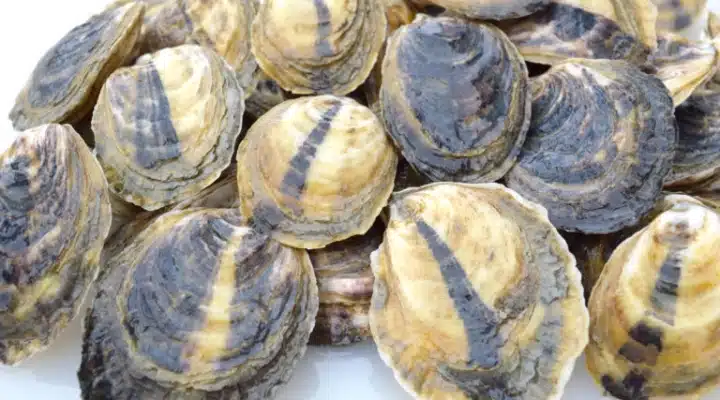
Scallops and clams are likely to get more expensive to harvest off New Jersey, as commercial fishing vessels will soon have to compete for ocean space against offshore wind energy companies.
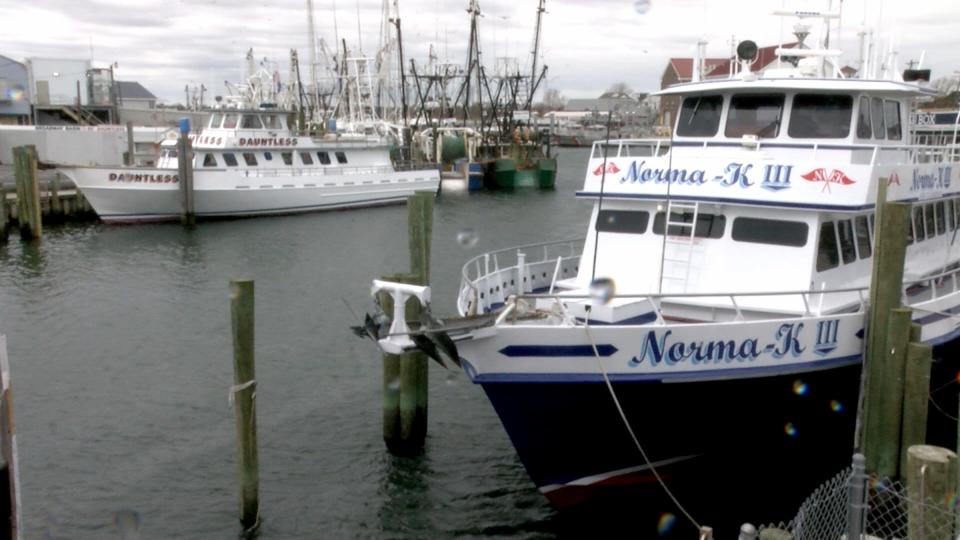
WSP USA, an environment, engineering, and professional services consultancy, announced that it is collaborating with Rutgers University on a joint project to develop an engineered oyster reef ecosystem that will help protect coastlines from storm waves and erosion.
Rutgers University has partnered with the environmental engineering firm WSP USA to develop oyster beds that could also protect coastlines from storms, flooding, and erosion.